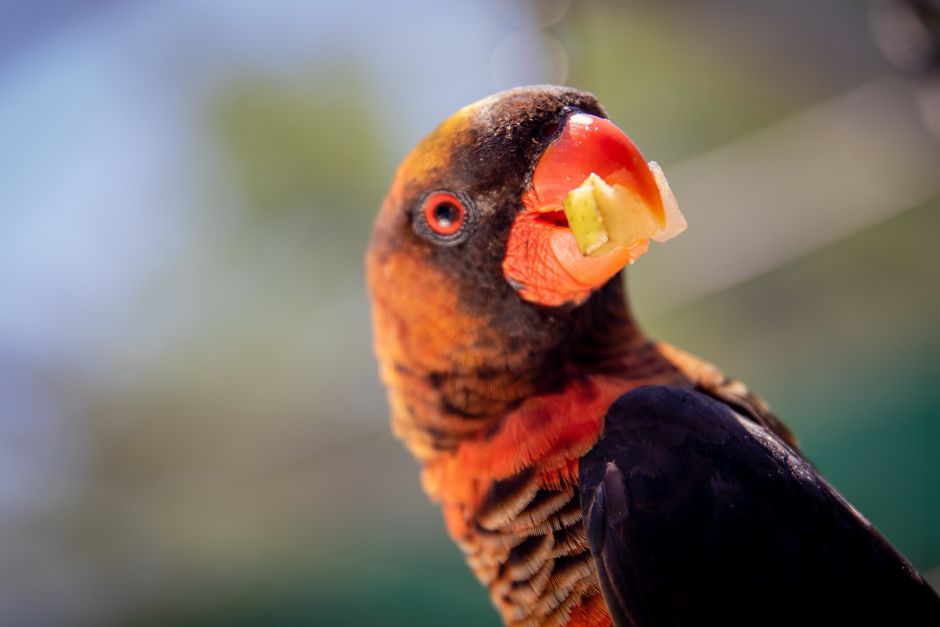
Creating a Balanced Diet for Your Pet Bird
Many bird owners assume that a bowl of seeds is all their feathered companion needs. In reality, seeds alone do not provide the full range of nutrients required for long-term health. Parrots, finches, and other pet birds thrive on a varied diet that includes formulated pellets, fresh produce, and carefully portioned treats. Understanding how to build such a diet is an essential step for anyone caring for a bird. This article explores the components of a balanced avian diet and offers practical guidance on how to introduce them safely.
Birds in the wild consume a wide assortment of foods depending on the season and availability. Pet birds, however, rely entirely on their caregivers to meet their nutritional needs. A diet that mimics natural variety—while accounting for captive lifestyle differences—can help support overall well-being. Brands like Fauna Focus offer resources and products designed to simplify this process, but the responsibility for balanced nutrition ultimately rests on the owner’s knowledge and consistency.
Understanding the Nutritional Foundation
Birds require a mix of macronutrients—proteins, carbohydrates, and fats—as well as micronutrients such as vitamins and minerals. Protein is particularly important for feather development and immune function, while calcium is critical for egg-laying birds and bone health. Vitamin A, found in many orange and green vegetables, supports vision and respiratory health. A seed-only diet is typically low in several of these nutrients, especially calcium and vitamin A, and high in fat.
The nutritional needs of a bird vary by species, age, and activity level. For example, large parrots like macaws have different energy requirements than small finches. Additionally, breeding birds need extra protein and calcium, while older birds may benefit from lower fat intake. Consulting a veterinarian with avian expertise is a prudent step before making major dietary changes. They can help identify specific needs based on the bird’s history and current condition.
Pellets as a Balanced Base
Formulated pellets are designed to provide a complete and balanced nutritional profile in every bite. Unlike seed mixes, which allow birds to pick out only their favorite items, pellets offer a uniform blend of ingredients. This reduces the risk of selective eating and nutrient deficiencies. Many avian veterinarians recommend that pellets make up approximately 50 to 70 percent of a bird’s daily food intake.
When selecting pellets, it is important to choose products that are species-appropriate and free from artificial colors or preservatives. Some birds may be hesitant to accept pellets at first, especially if they are accustomed to seeds. A gradual transition over several weeks can help. One method involves mixing a small amount of pellets with the usual seeds and slowly increasing the proportion of pellets while decreasing seeds. Patience is key; some birds take longer to adjust than others.
It is also worth noting that pellets should not be the sole food source. Even high-quality pellets cannot replicate the variety of fresh foods that contribute to enrichment and certain water-soluble vitamins. They are a foundation, not a complete diet.
Fresh Fruits and Vegetables for Variety
Fresh produce adds moisture, fiber, and essential vitamins that are not always present in processed foods. Dark leafy greens such as kale, Swiss chard, and dandelion greens are excellent sources of calcium and vitamin A. Colorful vegetables like bell peppers, carrots, and sweet potatoes provide antioxidants. Fruits such as berries, apples (without seeds), and melon can be offered in moderation due to their sugar content.
Introducing new foods requires a gentle approach. Birds often need repeated exposure to unfamiliar items before they accept them. Offering small pieces alongside familiar foods can encourage sampling. Some birds prefer vegetables that are shredded or chopped into small pieces, while others enjoy whole leaves to explore. It is also helpful to present food in different ways—raw, steamed, or mashed—to accommodate individual preferences.
Certain foods should be avoided. Avocado, chocolate, caffeine, alcohol, and foods high in salt or fat are toxic or harmful to birds. Onions and garlic may also cause problems in large quantities. Always research a specific fruit or vegetable before offering it, and remove any uneaten fresh food within a few hours to prevent spoilage.
Seeds and Treats in Moderation
Seeds are not inherently harmful, but they should be treated as a supplement rather than a staple. In the wild, birds consume seeds as part of a diverse diet, but pet birds often overeat them when given unlimited access. High-fat seeds like sunflower and safflower can lead to obesity and related health issues if not monitored.
Using seeds as training rewards or occasional treats can preserve their appeal without undermining nutrition. For birds that are particularly attached to seeds, mixing a small amount into the pellet bowl or offering them during foraging activities can be effective. It is also possible to purchase low-fat seed blends that include more grains and legumes.
Other treat options include sprouted seeds, which have higher nutritional value and lower fat content than dry seeds. Sprouting also adds moisture and a different texture. Commercial bird treats made with dried fruits or nuts should be given sparingly, as they often contain added sugars or preservatives.
Observing and Adjusting Over Time
A bird’s diet is not static. Changes in weight, feather condition, droppings, and behavior can all signal whether the current feeding plan is meeting its needs. Regular weigh-ins with a small scale can help track subtle shifts. A sudden change in appetite or energy level may warrant a veterinary visit.
Adjustments should be made gradually and with attention to the bird’s response. If a new food is refused, it may be introduced again in a different form or paired with a favorite item. Seasonal variations in fresh produce can also be incorporated to provide variety and mimic natural cycles. Keeping a simple feeding log can help identify patterns and simplify communication with an avian veterinarian.
Ultimately, creating a balanced diet for a pet bird is an ongoing process that requires observation, flexibility, and reliable information. By combining a quality pellet base, fresh produce, and occasional seeds or treats, owners can offer a diet that supports both physical health and behavioral enrichment.